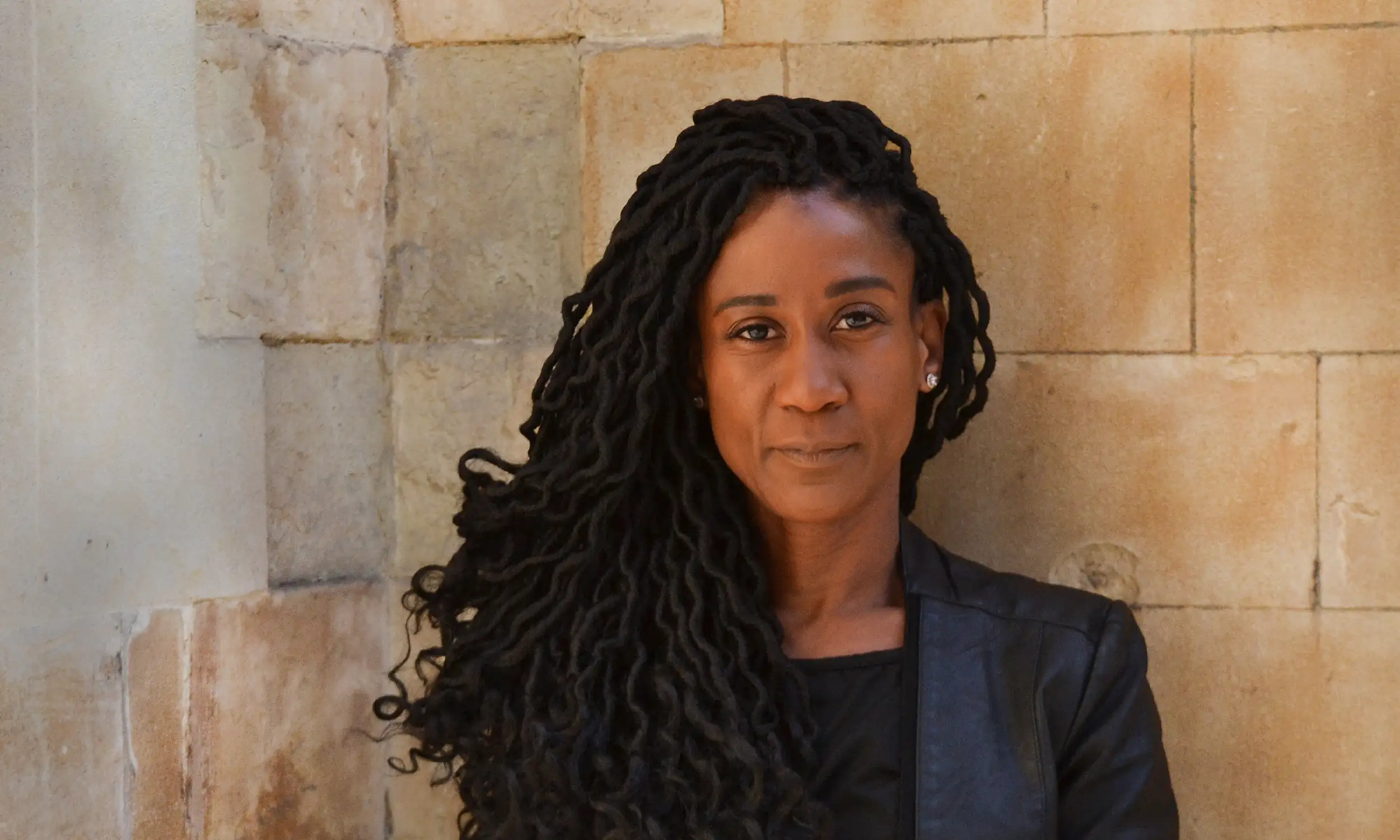
Some people rise through the ranks. Kirsty Brimelow KC has spent three decades reshaping them. From criminal jury trials to international human rights work across Nigeria, Colombia, Myanmar and beyond, she has built a career defined by courage, reform and relentless advocacy. Now, as Chair of the Bar Council, Kirsty is leading conversations on access to justice, equality at the Bar, violence against women and the future of the Criminal Justice System. Behind the title is someone refreshingly human: northern roots, sharp humour, a love of salsa, skiing and books with a determination to make the profession more open than the one she entered. In this candid interview, Kirsty talks sparkly blazers, surviving the darkest cases, why jury trials matter and the advice every young woman starting pupillage needs to hear.

Connect

Kirsty Brimelow KC
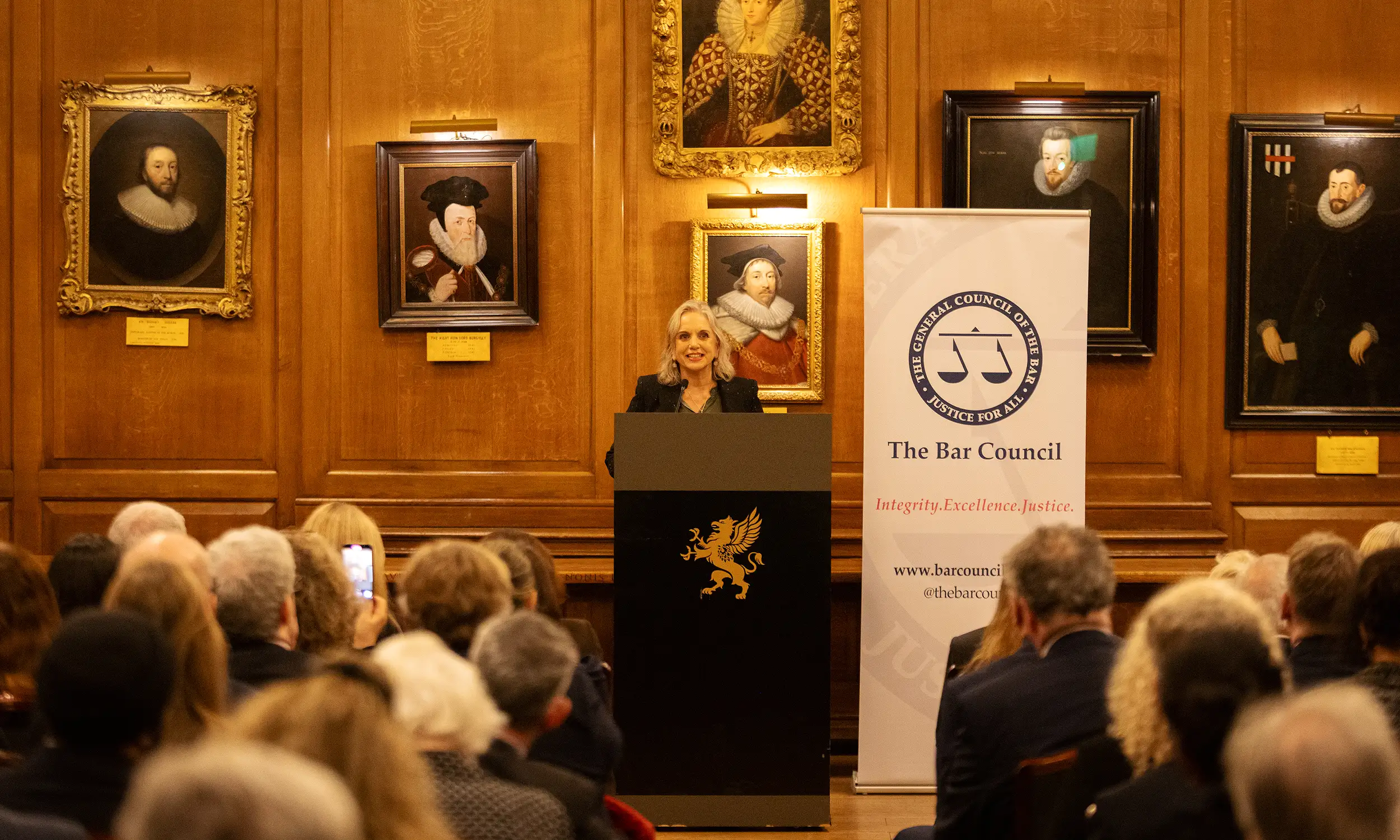
On the night and the days running up to the event I was concentrating on getting my speech ready. It took longer to write than I had thought. As I reflected upon the career that had brought me to being Chair of the Bar, I thought about Shakespeare’s concept of mercy in justice and the performance of his plays in the Inns of Courts. Unusually, I did think ahead about what to wear but I changed my mind when I called in a shop that I like, with family, and saw the suit. Can I name the shop (Zadig and Voltaire)? The suit received the approval of my 90-year-old mother and 17-year-old niece, so I thought that I had all bases covered.
Generally, the law of England and Wales is looked to as an example by other jurisdictions. In Denmark I worked with Amnesty Denmark to change their sexual offences law to consent based legislation. This followed the law of England and Wales.
Previously I have been the Chair of the Bar Human Rights Committee for six years and spent 15 years on their Executive. This work involved applications to supranational courts, complaints to the United Nations treaty monitoring bodies, advocacy and diplomacy through meetings and letter writing, and conflict resolution.
Some of the highlights of my work have included acting in the peace process in Colombia, the drafting and passing through the Human Rights Council of a Resolution on the Harmful Practices Related to Accusations of Witchcraft and Ritual Attack, the enactment of civil legislation to tackle FGM, namely FGM Protection Orders, successful legal interventions leading to the release of unlawfully detained prisoners and the reinstatement of Judges from jurisdictions ranging from Bahrain to Honduras, trainings in child rights for UNICEF in Nigeria and Myanmar, tackling sexual violence in trainings in India and Tanzania and fact finding in refugee camps, even as they went up in flames.
My practice at Doughty Street Chambers, paused for a year whilst I am Chair of the Bar, ran alongside my pro bono work and ranged from terrorism, murder and protest cases in courts in England and Wales to training of Judges internationally in counterterrorism and financial crime, to complaints of international human rights violations at the United Nations, to litigation before the Inter-American Commission and Court, and European Court of Human Rights.
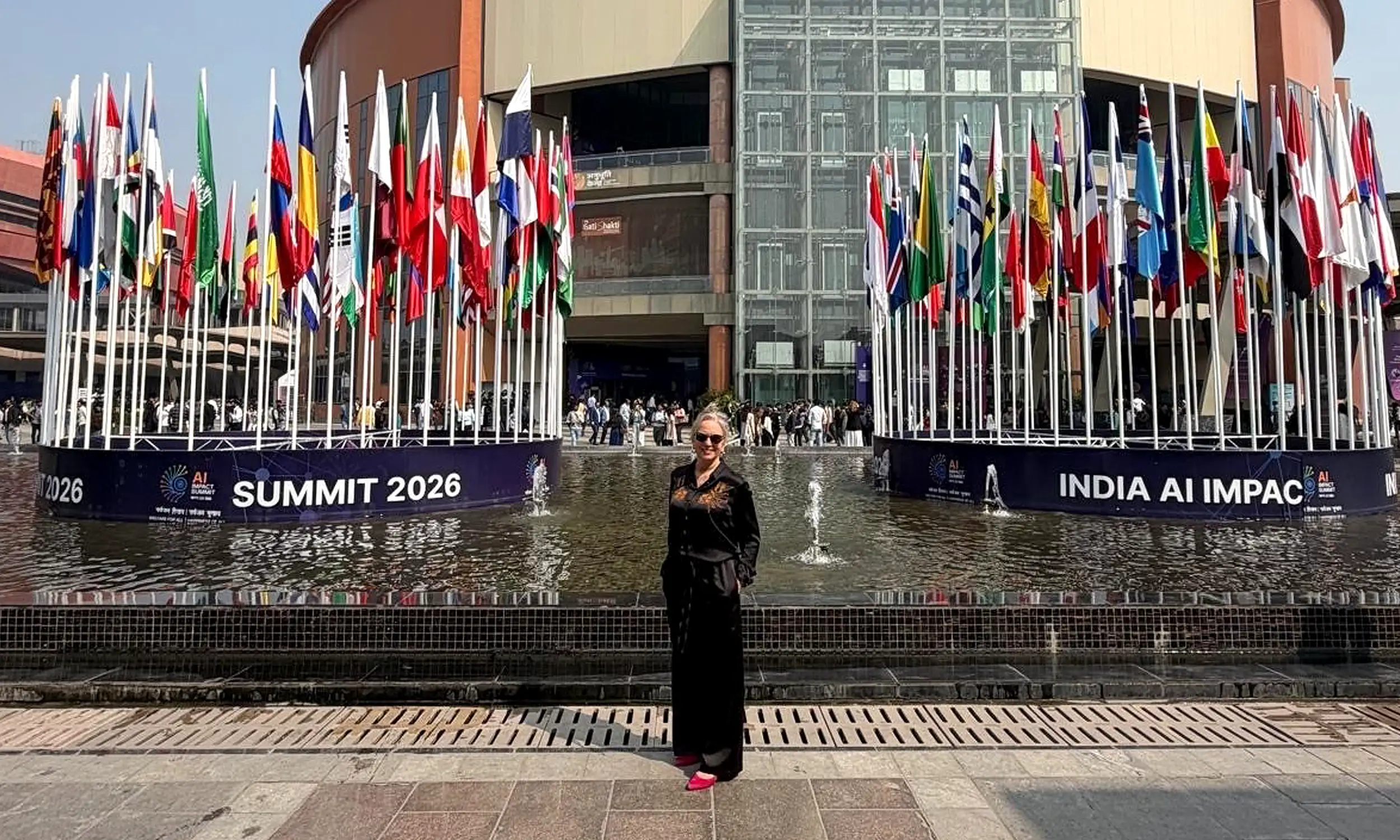
As the Chair of the Bar, I have just returned from a visit to India. We met with government representatives, the Bar Council of India and members of the profession. We had positive discussions with the Ministry of Law and Justice, as well as a fruitful roundtable discussion that included the Lord Chancellor and Secretary of State for Justice and Deputy Prime Minister David Lammy MP, UK High Commissioner to India Lindy Cameron CBOBE and the Indian Attorney General R. Venkataramani. We also met with Indian arbitration and mediation practitioners and will be collaborating with them on events and training going forward. I am taking forward efforts to remove restrictions to barristers wishing to act in arbitrations in India on a “fly in, fly out” basis.
Combatting violence against women and girls was another theme I raised on the visit, seeking to build on my previous work in India and I enjoyed meeting with some of the senior women advocates who have led in this legal work in India.
Jurisdictions such as Colombia have filming in the courts. This happened during the trial of Santiago Uribe, a trial I observed, he was accused of directing a paramilitary death squad. It enabled the public to observe allegations and evidence, from a dark time in Colombia’s history, without having to travel to Medellín to the court building. My view has always been that we should introduce filming into our courts and, now that it has been in a limited way, my view is that filming should be expanded albeit with appropriate safeguards for witnesses. Televised proceedings help to dispel many of the myths that perpetuate about how witnesses are cross-examined in court. Transparency and openness are an excellent antidote to false information.
I am one of a handful of Bar Council Chairs from a state education background and I am sure that I am the first Chair of the Bar from Chorley, Lancashire.
In my early years in practice, I had a northern accent. When I started as a barrister, it felt out of place to have a northern accent in court. I tried to fit in. It was only later in the 90s that it became fashionable to be northern. By then I probably had smoothed away much of my accent adapting to the Bar. There is no longer the same concerns about accents. In any event, I do still have flat ‘As” and they seem to become stronger when I am addressing a jury.
I have now lived in London for so long that I’m not sure there is a particular northern trait that grates with the Bar in London. My background remains different from many of my colleagues and, when I was very junior, I may not have fitted but that was always more about the perception of others towards me than how I felt. I found my own way and – ultimately – found the barristers who were my friends and supporters.
Under my leadership, the Bar Council is continuing to encourage chambers to audit earnings to establish patterns by protected characteristics using our resources. We continue to promote and support meaningful conversations on earnings in practice reviews. Women and those from minority groups at the Bar also need support to recognise their worth when fee negotiation takes place at the point of briefing. The earnings data reports are supplemented by our Earnings toolkit for chambers to calculate work distribution within sets and our Practice review guide for barristers and clerks which outlines review processes. We've also launched a guide on Fair access to work.
This year we are joining forces with solicitors to encourage fair briefing practices. I’ve already met with the President of the Law Society, Mark Evans, and I’m pleased the Bar Council and Law Society will collaborate. There is also the need to improve billing practices. Junior barristers and particularly women often don’t bill to reflect the work they have done, feeling pressured or lacking confidence to bill the full hours that they have worked. I know because I have been one of those barristers. I am very keen to take meaningful steps to tackle the gender earnings gap. We have the data and now we must make the change.
I’d say I was thriving rather than exhausted. I have never been interested in a position for the title or status. My election as Chair of the Bar is an overnight success of over 30 years’ work to drive positive change in law and policy and to better open the Bar to people from non-traditional backgrounds.
In early years in practice, I defended many children in the Youth Court. It always was the court that junior barristers did not want to go to. It was chaotic and unpredictable with children picking up convictions and then attending community-based courses.
Even back then, I could see that it would have been better if the children had access to community support first and instead of the conviction. Contact with the criminal justice system at a young age carries social stigma, reduces educational and employment opportunities and can be connected to a deeper involvement in crime.
Looking at the age of criminal responsibility means assessing how we treat children in society. We are an outlier in Europe, having the age of criminal responsibility being set at 10 years’ old, it is Dickensian.
When I was at University, I was part of a group of students that took children from deprived backgrounds on holiday every year. They were selected by social workers from Inner City Birmingham. Maybe it is their effect that moved me to take work as a Consultant for UNICEF Nigeria and UNICEF Myanmar and to now push for change to the age that a child can be held criminally culpable.
In all practice areas, barristers face unrelenting pressures and high expectations. Many operate in an underfunded system, often under stress. Some suffer vicarious trauma as they support clients who have experienced violence and distress. I have some specific graphic evidence that I carry with me. It won’t leave me, but I have learned to live with it.
Some of the saddest instances have been meeting families in Colombia and from Iran who carry photos of their loved ones desperate that they might be alive. In Iran, this hope is held for those missing since 1988 when mass extra-judicial killings took place. For me writing about the stories always has helped – particularly if the law has failed. Perhaps it is time to write a book.
It is probably a restaurant booking that is my signature dish. My last cooking for friends was pasta with broccoli and courgettes. I am vegan so there usually will be stir-fried or roasted vegetables. My friends are remarkably tolerant and considerate.
Both my parents started work at 15 years’ old. My dad worked on the factory floor as an apprentice in engineering. My mum worked as a seamstress. She actually is very talented despite being used as piece sewist for very low wages. My dad probably has far excelled my qualifications by studying at night school. I was lucky to be supported by Lancashire Local Authority who provided my grant through university and through the Bar Course. Gray’s Inn awarded me a scholarship. The securing of a pupillage and grant meant that I was on my way to becoming a barrister.
There are more opportunities for scholarships now than during my entry to the Bar. However, I would like to see more awards that are for those with limited means rather than the focus being on the prestige of the scholarship with the finance being an additional prize.
A former client of mine, convicted of serious assault when she was a teenager, became a mentee. I assisted her to be called to the Bar and, many years ago now, she spent a month shadowing me in court at the Old Bailey. She is a good example of how the Bar can open its doors wide.
On leaving school, children with poor verbal communication skills are less likely to find employment and more likely to suffer from mental health difficulties. The Government’s focus on oracy is a real opportunity for the Bar to make a difference.
Advocacy is our profession’s key skill. We have a set of resources called Speak for Success that the Bar Council has created for school children to help them develop core skills in listening, storytelling, persuading and arguing respectfully - skills that we all need to navigate life. I will be going back to my old school soon and, hopefully, inspire a few potential barristers along the way.
When I was a child, I used to take petitions around my estate protesting against seal clubbing and whale harpooning. If I couldn’t save the people, I thought that I could save animals. My love of nature and the environment remained with me as I have travelled through life.
We all have a shared interest in protecting the planet for future generations and I am delighted to sharpen the Bar Council’s focus on the environment. I am unashamed in saying that we must look after the planet we live on.
I now am in my fourth year as a Trustee/Director of WWF-UK. I have been bringing law and nature together for some time. For example, ecocide is defined as the large-scale and wanton destruction of nature and could be added to the statute of the International Criminal Court.
Every day, we watch the news and see military strikes inflicting widespread and long-term damage on the environment. It would be an important by-product of the international crime of ecocide if it depoliticised referrals of warring states for investigation by the ICC and so increased effective prosecutions.
Another area I am keen to promote is the expansion of barristers working in conflict resolution and rebuilding rule of law and justice systems in countries emerging from conflict. Defending the planet and defending people are inextricably joined. There is one shared future, and we must defend both together.
One book I loved was Netherland by Joseph O’Neill. There was a passage where the main character expresses a feeling of being at the bottom of a swimming pool and yet knowing that he can stretch his arms and kick up to the surface. It helps with a sense of return even if not yet chosen. I have had to kick upwards many times.
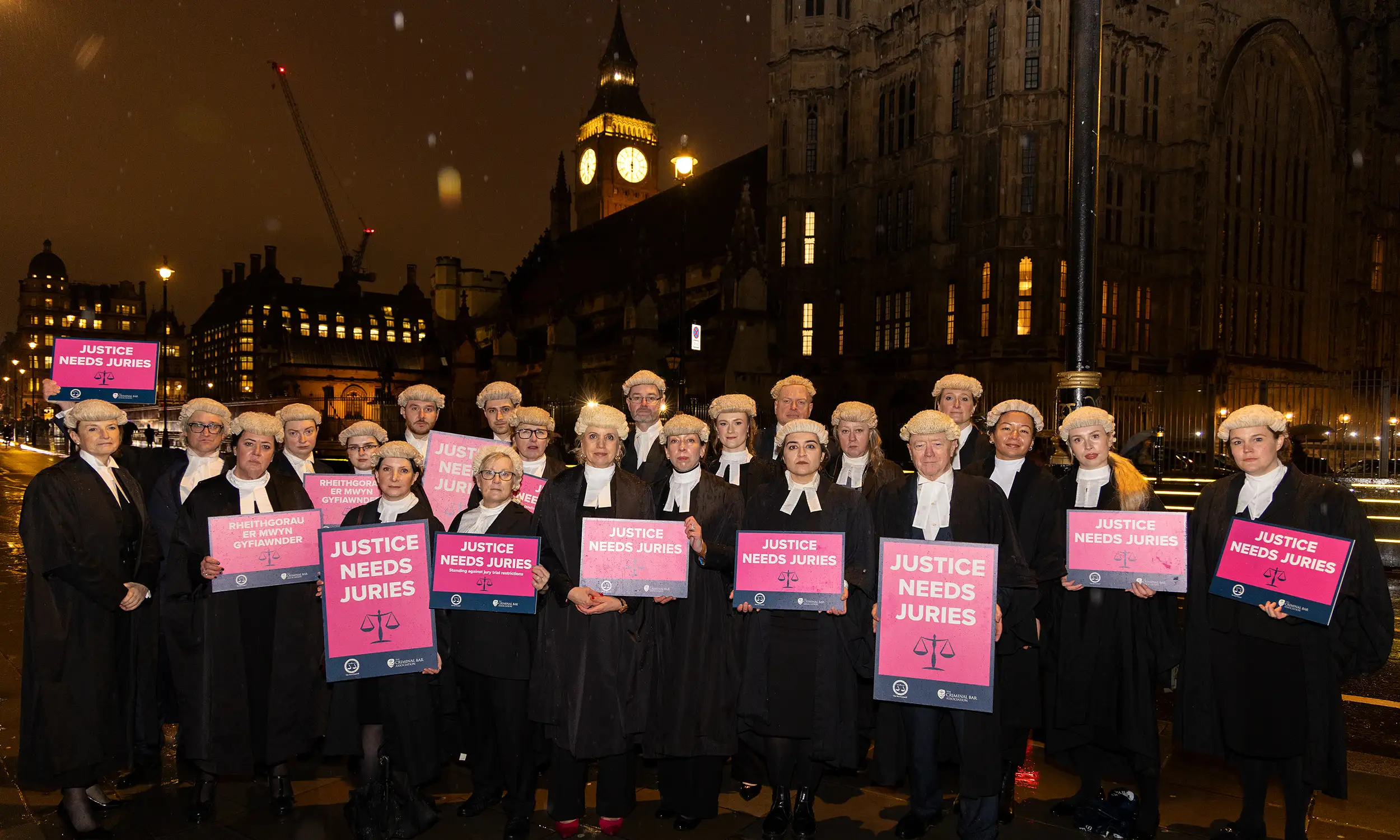
Practically, we will lose around half of our jury trials. For the criminal justice system, we will lose a substantial part of our legal history which has developed over 800 years. For society, we may lose the trust and confidence that keeps the delicate ecosystem functioning.
I am concerned that the Crown Court will no longer be attractive to the junior Bar as they will not have jury trials. It is a risk that they will move into other, better paid areas of work.
Juries have not caused the crisis in the justice system, and we have seen no evidence which validates curtailing them. That is why we fundamentally disagree with the restriction of jury trials. The objection is principled and pragmatic, and the mantra of modernisation in relation to juries is a Trojan horse to hack at a deep-rooted constitutional principle.
We want to lift the criminal justice system out of its crisis. However, to be serious about doing this requires reaching through the smoke and mirrors to what will have an impact. We know that opening up courts means that more cases will be heard. The government now has to put the money into allowing the courts to operate at full capacity. This should be allowed to take effect.
We have proposed a specialist sexual offences and domestic abuse court that will prioritise the most vulnerable who are waiting for their case to be heard. Priority listing of domestic abuse cases already works efficiently in Crown Courts such as Preston and reduces delays. We have suggested a list of offences which should not be in the Crown Court.
The Bar supports the modernisation of the criminal justice system including being able to work in buildings that function and with technology that works. It is frustrating to hear Ministers lecture barristers about modernising when it is us who have kept the floundering system on the road by adapting and this was exemplified during Covid.
A career at the Criminal Bar is very rewarding and it is important. A person’s liberty is at stake, and witnesses and complainants and families will have been rocked by a crime. The advocacy and skills required for the judge and jury and witnesses are different. It can be a rollercoaster. I still get nervous before the jury foreperson delivers their verdicts. There is no job like it.
Barristers can be the most supportive people, and I have benefited from kind words and help from many of my colleagues.
My family like seeing me in the media and I’ve been in the media a lot over the decades. I was a young spokesperson for the Bar Council for about ten years and so used to pop up on all sorts of daytime TV chat shows explaining the law and the legal issues of the day.
Over Easter I was skiing in Bormio in Italy with friends. I love the mountains and was hiking in the Lake District as soon as I could walk.
When I was working in Colombia, I started to learn salsa and bachata. I went to a dance school in Medellin. I kept it up when in London and whenever I travelled, I would try and find a place to dance. It’s a wonderful way to switch off as well as a good way to keep fit. I also enjoy swimming. It’s one of the few places where emails can’t reach me!
There is always some adapting to the profession because as we are advocates who address and communicate with different audiences ranging from Judges to clients. However, keep the core of yourself and look after your friends and family. They’ll keep you true to yourself.
Playing the didgeridoo. I tried it a few times and the sound is terrible.
You deserve to be there. You can never over prepare, keep asking for help but, above all, find the joy in the journey.
I actually like the Bridge Bar, Gray’s Inn. It’s informal and is good place to talk. Plus, we are in the beautiful surroundings of Gray’s Inn.
Probably my mum and grandmothers. I saw how hard they worked. Also, I was stung by unfairness. My paternal grandmother had broken her wrist as a child. It was strapped too tightly by a negligent doctor and so she lived her life with a hand that was bent double. She used to hide itunder her coat. My maternal grandmother looked after my grandfather in his later years. His health was poor from working in the mines. Perhaps they gave the spark to my fire.
I have a group of close female friends, some used to be at the Bar, and some still are at the Bar. They are great to talk to. We grew up together from being baby barristers. I have close friends from university who are wonderful support. They came to my inaugural speech, and I couldn’t have been more delighted.
Keep going!

Join InnLegal